Commissioner Uyeda says SEC rules shouldn’t create ‘unnecessary roadblocks’ as tokenization advances
By The Block•February 10, 2026•3 min read•514 words
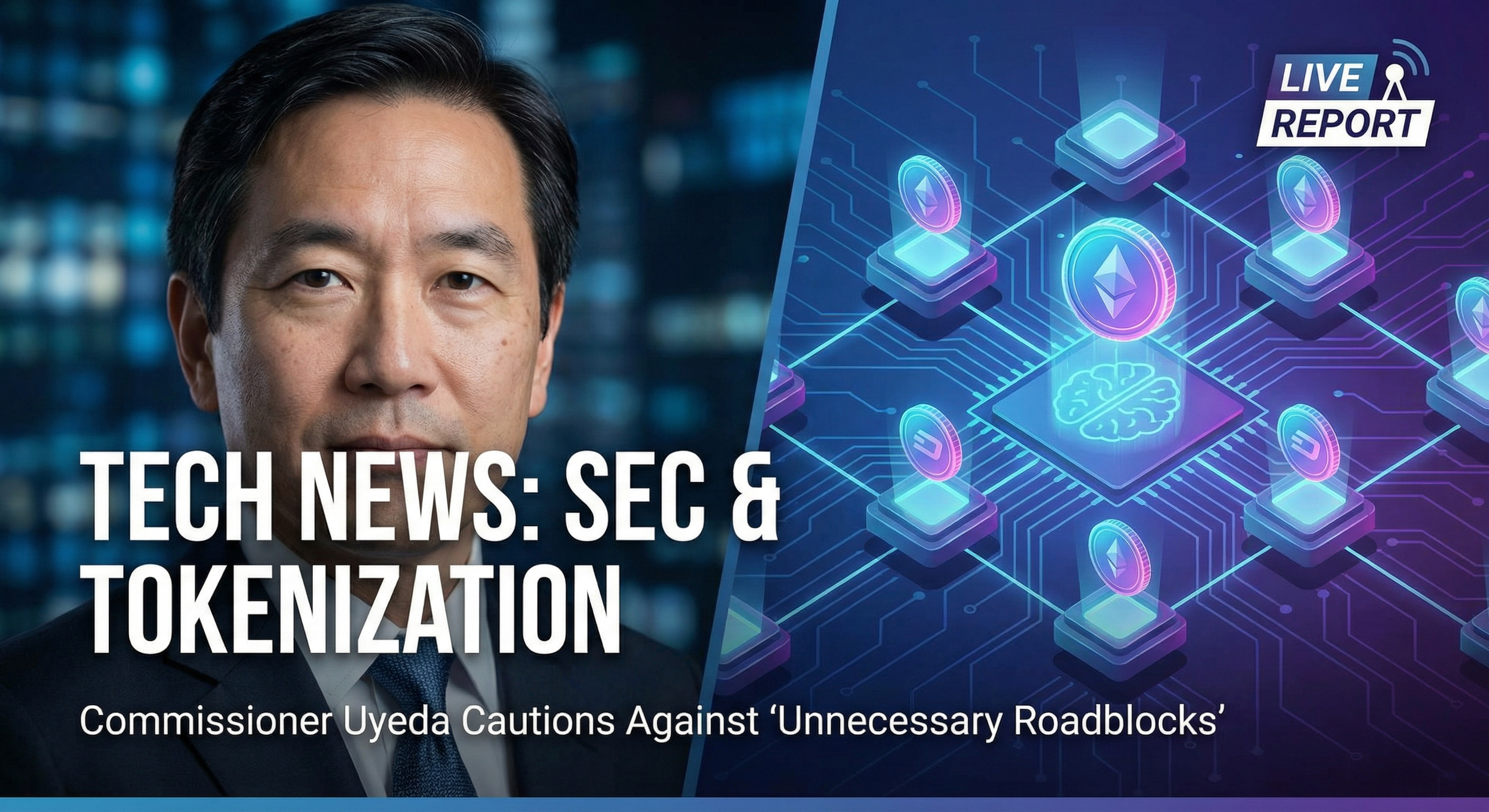
## SEC Commissioner Urges Caution, Balance in Tokenization Regulation
The burgeoning world of tokenization, where traditional assets are represented on a blockchain, is rapidly gaining traction. As this innovative technology reshapes financial markets, regulators are grappling with how to adapt existing frameworks to this new paradigm. Recent remarks from SEC Commissioner Mark Uyeda highlight the delicate balance regulators must strike between fostering innovation and ensuring investor protection. Uyeda framed the rise of blockchain-based securities not as a disruptive force to be feared, but rather as an opportunity to modernize existing market structures.
Tokenization, at its core, involves converting rights to an asset into a digital token that can be traded on a blockchain. This can range from fractional ownership in real estate to shares in a company, or even commodities like gold. The potential benefits are numerous: increased liquidity, reduced transaction costs, greater transparency, and enhanced accessibility for investors. By breaking down large, illiquid assets into smaller, more manageable tokens, tokenization can democratize access to investment opportunities previously reserved for institutional players.
However, this innovation also presents challenges for regulators. Existing securities laws, designed for traditional financial instruments, may not neatly apply to tokenized assets. Questions arise about custody, trading platforms, and the nature of the underlying asset itself. The SEC, tasked with protecting investors and maintaining fair markets, must navigate this evolving landscape carefully.
Commissioner Uyeda's comments suggest a cautious approach, one that prioritizes adapting existing regulations rather than creating entirely new ones that could stifle innovation. He emphasized the importance of avoiding "unnecessary roadblocks" that could hinder the development of tokenization. This sentiment reflects a growing recognition that overly restrictive regulations could push innovation offshore, depriving the US market of its potential benefits.
The key lies in finding a balance. Regulators need to provide clear guidance and establish robust frameworks to address the risks associated with tokenized assets, such as fraud, market manipulation, and cybersecurity threats. At the same time, they must avoid imposing overly burdensome requirements that would make it impractical for businesses to adopt the technology.
One area of particular focus is the application of existing securities laws to tokenized assets. The SEC has previously indicated that many digital assets, including some tokens, qualify as securities under US law. This determination subjects them to registration requirements, disclosure obligations, and other regulatory oversight. However, the nuances of blockchain technology and the diverse nature of tokenized assets require a nuanced approach.
Commissioner Uyeda's remarks suggest a willingness to engage in a dialogue with industry participants and to consider the specific characteristics of tokenized assets when applying existing regulations. This collaborative approach is crucial for fostering a regulatory environment that promotes innovation while protecting investors.
The future of tokenization hinges on the ability of regulators to adapt to this rapidly evolving technology. By embracing a balanced approach that avoids unnecessary roadblocks while addressing legitimate risks, the SEC can help unlock the transformative potential of tokenization and modernize the financial markets for the digital age. The path forward requires careful consideration, open communication, and a commitment to fostering innovation while safeguarding investor interests.